
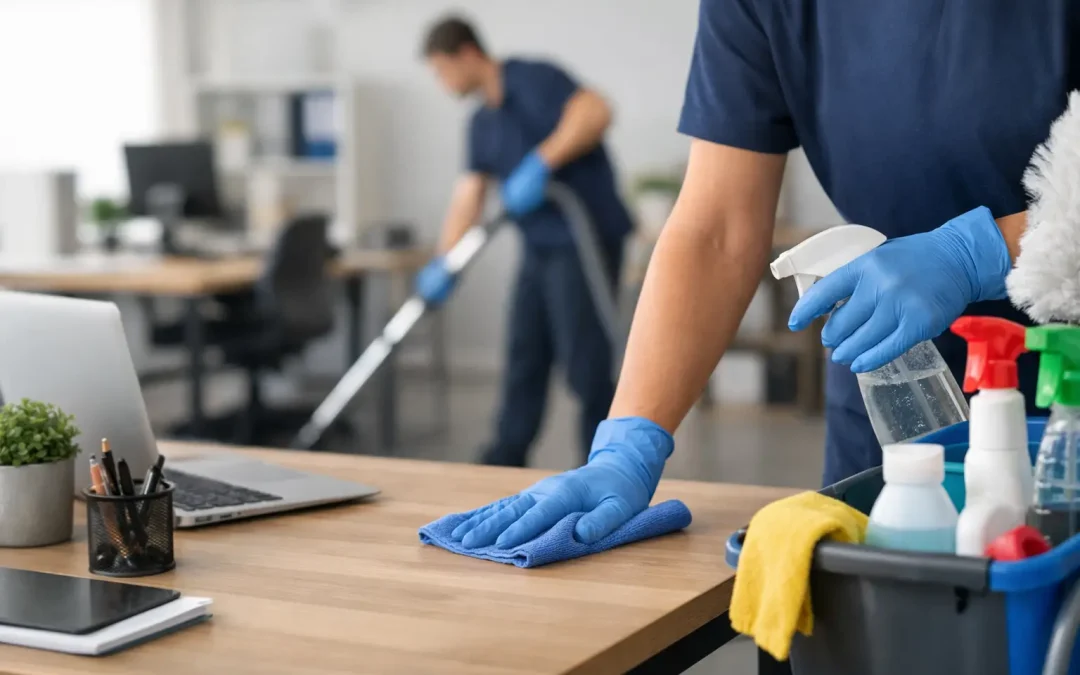
A small office does not stay clean for long. A few busy days of wet shoes at the entrance, mugs left on desks, bins filling up and fingerprints on glass can quickly make the whole space feel tired. That is why office cleaning for small businesses matters more than many owners realise. It is not just about appearance. It affects staff wellbeing, client confidence and how smoothly the working day runs.
For smaller firms, the challenge is usually not whether cleaning is needed. It is how to get the right standard without wasting money or disrupting work. A business with six staff in one unit does not need the same cleaning plan as a larger office with meeting rooms, kitchens and customer-facing areas. The best results come from a service that fits the space, the footfall and the way the business actually works.
Why office cleaning for small businesses is different
Small businesses tend to have less room for error. If one washroom is not kept properly, everyone notices. If the reception area looks dusty, every visitor sees it. If the kitchen is not cleaned thoroughly, it affects the whole team. In a larger building, issues can be spread out. In a smaller office, they are immediate.
Budget is another factor. Many small business owners are balancing rent, staffing, stock and utilities, so cleaning can be pushed down the list until standards slip. The problem is that poor cleaning often costs more in the long run. Carpets wear faster, hard floors lose their finish, kitchen areas become harder to maintain and the office gives the wrong impression to customers and suppliers.
There is also the question of time. In many small offices, cleaning jobs get shared around the team. That can work for basic tidying, but it rarely delivers a proper standard. Staff are there to do the work they were hired for, and asking them to stay on top of bins, washrooms and shared spaces usually leads to inconsistency.
What a clean office really does for your business
A well-kept office supports more than hygiene. It creates a space that feels organised, professional and ready for work. That has a direct effect on how people use it.
For staff, a cleaner environment can help reduce distractions and improve morale. Nobody enjoys starting the day in a kitchen with stained worktops or using neglected toilets. For visitors, cleanliness sends a clear message. It shows that the business pays attention to detail and takes pride in its premises.
This matters even more in customer-facing sectors such as estate agencies, small legal firms, recruitment offices, clinics and local service businesses. If clients visit in person, the office becomes part of the service. A polished entrance, clean windows, fresh-smelling washrooms and tidy meeting rooms all support trust before a word is spoken.
There is a practical side too. Regular cleaning helps protect surfaces and fittings. Dust build-up around electronics, grime on flooring and neglected washrooms all shorten the life of the space. Preventive cleaning is often far cheaper than repair or replacement.
What should be included in a small office cleaning plan?
It depends on the layout, the number of staff and whether customers visit the premises. Still, most small offices need regular attention in the same core areas.
Desks and touchpoints should be cleaned carefully, especially where phones, keyboards, door handles and shared equipment are used daily. Floors need vacuuming or mopping to keep dirt from building up. Kitchens and break areas need proper surface cleaning, sink attention and bin management. Toilets need consistent sanitising, not a quick once-over.
Glass and internal partitions are often overlooked, but they make a noticeable difference to how clean the office feels. Reception areas and meeting rooms also need particular care because they shape first impressions.
Some businesses also benefit from deeper periodic services, such as carpet cleaning, hard floor treatment, interior window cleaning and washroom refreshes. These jobs are not always needed every week, but they help maintain a high standard over time.
How often should a small office be cleaned?
There is no single answer because usage varies. A two-person office open three days a week has very different needs from a busy shared workspace with daily footfall. That said, most small businesses benefit from at least a regular scheduled clean rather than relying on ad hoc tidying.
If the office includes toilets and a kitchenette used every day, weekly professional cleaning is often the minimum sensible starting point. If the premises receive visitors, handle deliveries or have higher staff numbers, more frequent cleaning may be the better option.
The key is to match the service to the reality of the building. Paying for daily cleaning when the office barely gets used is unnecessary. Leaving a busy office for too long between cleans usually creates bigger problems. A good cleaning plan is practical, not excessive.
Choosing the right office cleaning company
Reliability matters just as much as the cleaning itself. Small businesses often do not have facilities teams or site managers to chase missed visits or correct poor work. They need a cleaning company that turns up when agreed, works to a clear standard and communicates properly.
Insurance is one of the first things to check. Any contractor working in your office should be fully insured. This gives reassurance that your premises, staff and equipment are protected while the work is carried out. Experience matters too, especially if the business offers both routine office cleaning and more specialist services when needed.
It also helps to choose a company that uses professional equipment and safe, effective products. Eco-friendly cleaning products are a sensible option for many offices because they support hygiene standards without leaving heavy chemical smells behind. For small spaces in particular, that can make a real difference to comfort during the working day.
Look for a service that offers a tailored quote rather than a generic package. A small office on one floor with a single washroom should not be priced or serviced in the same way as a multi-room premises with kitchens, entrance glazing and regular client visits. Clear scope, honest pricing and visible results are what matter.
When a basic clean is not enough
Routine office cleaning keeps day-to-day standards in place, but some situations need more than that. After building work, an office may need a builders clean to remove fine dust and debris properly. If carpets are holding odours or stains, a deeper treatment may be needed to restore them. If exterior windows, gutters or entranceways are affecting the presentation of the building, those areas may need specialist attention too.
This is where choosing a provider with wider commercial cleaning experience can save time. Instead of arranging separate contractors for office interiors, exterior glass, washroom deep cleaning and specialist areas, it is often easier to work with one trusted team that can manage the full picture.
For businesses in Kent, that can be especially useful when keeping premises presentable across changing weather. Mud, rainwater marks and leaf build-up around entrances are common issues in places like Maidstone, Sittingbourne and Medway, particularly during autumn and winter. Interior cleaning standards are easier to maintain when the outside of the building is not working against them.
Common mistakes small businesses make
One of the most common mistakes is waiting until the office looks bad before arranging regular cleaning. By that point, dirt has usually built up in flooring, corners, washrooms and kitchens, making it harder to restore the space quickly.
Another is focusing only on visible areas. A tidy reception desk can still sit alongside neglected bins, poorly cleaned toilets and dusty skirting boards. Staff notice the details even if customers do not see them straight away.
The final mistake is choosing purely on price. Low quotes can be tempting, especially for smaller firms, but cleaning is one of those services where poor quality shows fast. Missed tasks, rushed visits and inconsistent standards usually end up costing more through complaints, re-cleans or damage to the office environment.
A smarter way to manage cleaning
The most effective approach is to treat cleaning as part of how the business operates, not as an afterthought. That means agreeing a schedule that suits your hours, setting clear expectations and reviewing standards from time to time.
For some small businesses, early morning or evening cleaning works best to avoid disruption. For others, a daytime visit to handle washrooms and shared areas is perfectly fine. It depends on the layout, the type of work and whether confidential documents or sensitive equipment are in use.
A dependable provider will help you work through those practical details and build a service around them. If the team is fully insured, experienced and able to provide a clear scope of work, the process becomes much easier to manage. That is the sort of straightforward support businesses value when they simply want the job done properly.
Clean offices are not about showing off. They are about giving your staff a better place to work and making sure every person who walks through the door sees a business that is switched on, professional and well run. Get the cleaning right, and the whole workplace feels easier to manage.